
Persistent Pain After a Car Accident: What to Do Next

Persistent Pain After a Car Accident: What to Do Next

Pain can make your life miserable and prevent you from working, performing daily activities, or even sleeping. It can also affect your mood and alter how you interact with the people around you.

More importantly, pain is your nervous system’s way of telling you that something has gone wrong. Pain after a car accident can come from many sources, and most of these possible forms of pain should signal you to take action to find their source.

Learn what to do if you experience persistent pain after a car accident.

The Body’s Pain Response

Your nerves produce pain signals that travel to your brain, which interprets them in a surprisingly detailed way. Your brain can often tell you the nature of the pain’s sensation, its intensity, and its location.

Knowing these details will help you describe your pain to your doctor. For example, different conditions cause sharp pains and dull aches. Likewise, a pain that feels like a throbbing pulse has dissimilar causes from a pain that feels like an electric shock.

These pain sensations all share a common purpose: allowing the nervous system to alert your brain that something has gone wrong in your body. Sometimes, pain is the direct result of injuries, but other times, your pain will come from diseases. Pain can even warn you of environmental dangers, such as hot surfaces or sharp objects.

The effectiveness of the body’s pain response depends on what you do with the information it provides you. When you experience pain, your body is signaling that it needs help, and if you ignore your body, you risk worsening an injury or condition that has already set off your internal alarm system.

Types of Pain

Doctors classify pain in several ways to help them identify the source of your pain and its potential treatment options. Some important pain classes include:

Acute vs. Chronic

Acute pain comes on suddenly due to an injury, disease, or condition. It goes away once doctors address the cause of the pain.

Chronic pain has a longer-term, possibly constant, duration. It may arise from an untreatable condition like rheumatoid arthritis or multiple sclerosis. It can also come from an injury that did not heal properly or is healing slowly. 

For example, a car accident can tear the cartilage in a joint. Cartilage heals very slowly, and replacement cartilage usually lacks the strength and flexibility of the original cartilage. As a result, you might have ongoing (chronic) pain in the joint.

Somatic vs. Visceral

You experience somatic pain in your musculoskeletal system. When you feel achy joints or tense muscles, you’re experiencing somatic pain.

Visceral pain comes from your organs. Examples of visceral pain include a stomach ache or chest pain.

Local vs. Referred

Local pain occurs at an injury site. If your seat belt bruises your chest in a car accident, your sternum and ribs will hurt.

Referred pain occurs somewhere different than the injury site and usually occurs due to nerve damage. You have referred pain if your neck injury causes pain in your hands and fingers. 

These characterizations make the distinction between local and referred pain one of the most important when diagnosing the cause of your pain.

Steps to Take if You Have Persistent Pain After an Accident

Pain can arise suddenly after an injury, but it often only occurs after an accident where swollen and damaged tissue sets off your body’s pain response.

A concussion happens when a jolt to your brain causes it to swell. Often, you might not experience a headache or other concussion symptoms until hours or even days after your accident.

Persistent pain after an accident can signify a severe injury. You should not assume that your pain is unrelated to your accident. You should also not believe your pain will disappear because it came on late.

If you experience persistent pain after an accident, you should do the following:

See a Doctor

A doctor can try to diagnose the source of your pain. Often, your doctor can prescribe a course of treatment or physical therapy to relieve your pain and repair your injury.

Doctors can also eliminate other causes of pain that might signify more severe injuries. Car accidents often cause seat belt injuries that usually involve a bruised chest, strained muscles, or fractured ribs. 

While painful, these conditions will not kill you; however, chest pain after a car accident could also signify internal bleeding or lung damage. These conditions can kill you without medical treatment. Seeing a doctor about your pain after a car accident could save your life.

Get Treatment

Acute pain after a car accident often means you have suffered an injury that doctors can treat. Doctors can treat fractured bones, torn ligaments, and other painful injuries relatively easily. Treatment and medication can relieve your pain and set you on the path to recovery.

Even if you choose not to treat your injury, your doctor can treat the pain it causes. For example, doctors can only fully treat a herniated disc with surgery to remove it, but they can relieve the pain without surgery by administering anti-inflammatory injections into the nerves irritated by the herniated disc.

Talk to a Lawyer

Many accident victims avoid seeing a doctor and getting treatment because they cannot afford it. At the same time, their painful conditions may prevent them from working, leaving them trapped: They cannot work until they get treatment but cannot get treatment unless they work.

If your car accident resulted from someone else’s negligence, find the best personal injury lawyer who can seek compensation for your injuries. This compensation will cover your medical costs to pay for treatment and therapy. In many cases, injury compensation will help you avoid both financial and health problems. An experienced car accident lawyer will provide more insight into what you can reasonably expect from the at-fault party.

Do Not Suffer from Persistent Pain

You can seek pain relief after a car accident. You may have a health insurance policy that will cover the treatment of your injuries and include medical payment coverage that will help you pay for said treatment. 

You can pursue injury compensation for accidents where someone else was at fault. And if you were working as a driver when your accident happened, you might even receive workers’ comp benefits. Everything becomes more difficult when you experience persistent pain, but you probably have options for getting medical treatment. You should check into all of them, as you do not need to suffer from persistent pain needlessly.

How Do You Write an Effective Settlement Demand Letter?

Personal injury accidents are extremely common. New York City alone suffered nearly 10,000 motor vehicle accidents in the month of July 2021, many of them involving serious injuries. When you have a personal injury claim, you send a settlement demand letter to the defendant or to the defendant’s insurance company. This letter describes your claim and demands that the opposing party compensate you for your losses. 

The settlement demand letter is the first step in negotiations with the opposing party that could lead to a generous settlement. That is why your settlement demand letter needs to be persuasive and effective. You should ask your lawyer to draft the demand letter. If you draft it yourself, at least allow a lawyer to review it.

Writing Tips

Following are a few tips that can help you maximize the effectiveness of your settlement demand letter:

Create an Outline of Your Settlement Demand Letter Before You Write It

A settlement demand letter is usually structured something like this:

  • A brief description of the accident
  • A description of your injuries;
  • Why the other party is responsible for your injuries
  • What medical treatment you have received, and how much it cost;
  • The amount of your lost earnings;
  • The amount of any other losses you suffered;
  • Why you’re qualified to make a claim to the insurance company despite New York’s no-fault auto insurance system; and
  • A demand for compensation.

Use the foregoing as a general guide to structuring your demand letter. You might need to vary it somewhat depending on the specific facts surrounding your claim.

Use a Polite and Professional Tone

You might be very angry. In fact, if your claim is valid, your anger is likely justified. Don’t let any of that anger creep into your settlement demand letter. Human nature dictates that such a tactic is likely to be counterproductive. Your tome should be polite and professional. That doesn’t mean you can’t be firm at the same time.

Keep It Brief, But Not Too Brief

There is no point in writing a long letter that nobody is going to read. On the other hand, it is not a good idea to assume that your reader is familiar with any of the facts of your case.

The insurance company adjuster who reads your letter is probably busy with many claims. Say everything you need to say, but say it briefly, logically, and concisely. 

Issue a Compensation Demand

Depending on the circumstances, you might demand the entire policy limit from an insurance company. You might do this if the total value of your claim clearly exceeds these limits. If your claim is below policy limits, at least pad your demand to give yourself some bargaining room. Some lawyers prefer not to insert a specific dollar demand into an initial demand letter, only a general demand for compensation.

Set a Deadline for A Response

Set a specific deadline or a response from the opposing party. You don’t need to demand that the opposing party pay the settlement by that date, but you do need to demand a response by that date. If the opposing party ignores you, you might consider filing a lawsuit in response.

Keep Copies of Everything

Keep copies of every document that you receive that is in any way related to your case. Make sure you have a copy of your medical bills, for example. If you were involved in a car accident, you might request an accident report from the police department. During settlement negotiations, you will need evidence to back up your claim. 

Send By Certified Mail, Return Receipt Requested

Send your letter by certified mail, return receipt requested, to make it more difficult for the opposing party to deny that they received it.

A Lawyer on Your Side Can Make All the Difference

If you’re trying to settle a small claim, it might not be worth it for you to seek out the services of a personal injury lawyer. If your claim involves a significant amount of money, or you suspect that it does, contact a lawyer to find out for sure. Even a free initial consultation might be enough to get a general idea of the value of your claim.

Am I at Fault if I Was in a Rear-End Car Crash in California?

Am I at Fault if I Was in a Rear-End Car Crash in California?

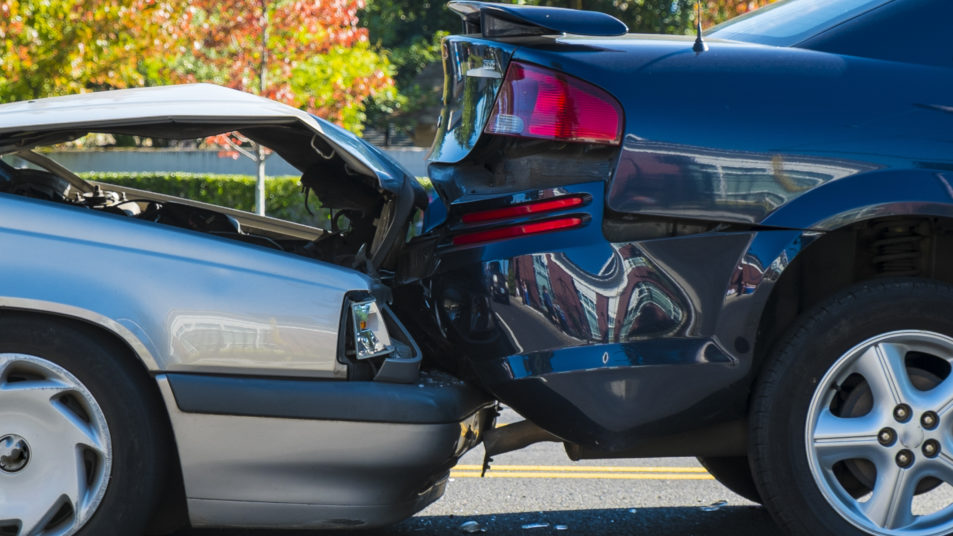
In many cases, the rear driver in a rear-end car crash is at fault, but not always. The lead driver could be at fault or share liability for the cause of a rear-end collision. 

Fault for a rear-end accident is not automatic. You must review all facts and circumstances to determine which driver caused the accident. 

Why Is Liability Important in a Rear-End Accident Case?

Fault determines who is responsible for paying damages after a car accident. Liability can be established by proving which driver’s negligence caused the car wreck. 

An injured victim could pursue a personal injury claim against the at-fault driver for damages such as:

  • The cost of medical treatment 
  • Loss of income
  • Pain and suffering
  • Future lost wages and decreases in earning potential
  • Permanent disabilities and impairments
  • Cost of long-term nursing care 
  • Out-of-pocket expenses
  • Mental and emotional distress
  • Decrease in quality of living
  • Personal care and assistance with household chores

In addition to compensatory damages, a person could receive punitive damages (exemplary damages) for a rear-end accident if they can prove the other driver acted with malice, fraud, or oppression. Punitive damages are rarely awarded, however.

How Do You Prove Fault for a Rear-End Accident in California?

Fault for a rear-end crash is determined by negligence. To hold a driver liable for damages, you must prove the elements of negligence:

  • The other driver owed you a duty of care
  • The driver breached the duty of care through their acts or omissions
  • The breach of duty was the proximate and direct cause of the rear-end accident
  • You sustained damages because of the breach of duty

All drivers have a duty to use reasonable care when operating a motor vehicle, including following California traffic laws. Drivers must control their speed and movement of the vehicle, and they must keep a lookout for other vehicles, pedestrians, bicyclists, and other obstacles.

Many rear-end accidents are caused by the rear driver failing to maintain a safe distance or failing to keep a proper lookout. Numerous factors could contribute to the cause of the accident, including:

Proving liability requires you to prove that the rear driver caused the crash. Evidence could include video of the collision, eyewitness testimony, vehicle damage, physical evidence, statements by the drivers, and evidence from expert witnesses

California Vehicle Code §21703 states a driver shall not follow another vehicle more closely than is prudent and reasonable. 

There is no law stating a specific safe following distance. Therefore, drivers have the duty of judging the following distance needed to be able to stop if the car in front of them suddenly slows or stops. 

Typically, it is presumed that the rear driver is at fault unless evidence proves the lead driver was negligent. The driver in the rear failed to keep a safe distance and a proper lookout.

Can the Lead Driver in a Rear-end Crash Be at Fault?

Yes, in some circumstances, the lead driver could be responsible for causing the crash. Negligent conduct that could result in liability for the lead driver includes:

  • Backing up on the road
  • Pulling out in front of another vehicle
  • Intentionally trying to be rear-ended
  • Suddenly braking without cause
  • Drunk driving
  • Driving without operating brake lights

The lead driver also has a duty to use reasonable care when driving. If the lead driver fails to use reasonable care, they could be liable for damages.

In some cases, the lead driver could be partially to blame. California’s contributory negligence laws state that an injured party’s compensation for damages is reduced by the party’s percentage of fault.

Therefore, if a jury finds the lead driver in a rear-end crash was 50% at fault for the cause of the crash, the lead driver would only receive one-half of their damages. For example, if the jury awarded the lead driver $200,000 in damages, the amount received would be $100,000.

Who Is at Fault for a Chain Reaction Rear-End Crash?

Rear-end accidents might involve several vehicles. A rear-end crash begins a chain reaction with each vehicle colliding with the vehicle in front of it. Liability for a multi-vehicle rear-end accident can be challenging to determine.

Multiple drivers could share liability for the car accident. As a result, an accident reconstructionist and other experts may be required to sort out fault.

What Should I Do if I Am Involved in a Rear-end Crash in California?

You should report the accident to the police by calling 911 and not admit fault at the accident scene. As soon as possible, seek medical attention for your injuries and consider seeking legal advice from a Los Angeles car accident lawyer

The insurance company may try to shift blame to the other driver to avoid paying a claim. You might need an experienced accident attorney to investigate the crash to gather evidence proving you did not cause the accident.