
Understanding Bicycle Accidents in Texas

Understanding Bicycle Accidents in Texas

Dallas has a reasonably good reputation for bicycle friendliness. The city earned a Bronze Award from the League of American Bicyclists in 2024. However, it still has work to do to improve its infrastructure and safety.

Dallas bicycle accidents happen for many reasons. Understanding the causes of these crashes can help communities develop effective countermeasures to reduce the risk of collisions, injuries, and fatalities.

Texas Bicycle Accident Statistics

The Texas Department of Transportation (TxDOT) publishes annual pedalcycle accident statistics. “Pedalcycle” is a term traffic experts use that includes bicycles. This term covers all human-powered pedal vehicles, regardless of the number of wheels.

Texas defines bicycle accidents as collisions between motor vehicles and bicycles. Importantly, these incidents don’t include collisions between multiple bicycles or bicycles and pedestrians.

With all of this in mind, TxDOT’s crash statistics for 2024 indicate that there were 2,748 bicycle accidents that year, including the following:

  • 79 fatal collisions
  • 427 suspected serious crashes that caused at least one incapacitating injury
  • 1,379 suspected minor collisions that caused some visible injuries
  • 626 possible injury crashes that produced non-visible injuries with symptoms

Taken together, these statistics highlight the serious risks bicyclists face on Texas roadways and underscore the importance of understanding your legal options after a bicycle accident.

Causes of Bicycle Collisions in Texas

Every bicycle accident has unique facts surrounding it. 

However, the following crash scenarios arise repeatedly:

Failing to Yield to Cyclists

Under Texas law, cyclists have the same rights and must follow the same rules as drivers of motor vehicles. However, drivers often treat bicycles as if they were second-class vehicles. They may maneuver aggressively around them, including trying to pass them or beat them through intersections.

A common crash scenario happens when a cyclist is riding straight, and a driver turns in front of them. In many cases, the driver sees the bicycle but fails to yield even though the rider has the right of way.

Unsafe Passing

Drivers often fail to leave enough space when overtaking bicycles. When a driver crowds a cyclist, even a small mistake can lead to a crash. The driver might sideswipe the bicycle, or the rider might overcorrect after a near-miss. In either situation, the rider may fall to the ground or get run off the road.

Inattentive and Distracted Driving

Distracted driving happens when drivers perform tasks that divert their eyes, hands, or mind from the road. As a result, they may be unable to react when they approach a bicycle.

Similarly, inattentive driving occurs when a driver loses focus. Fatigue and boredom can dull a driver’s senses so they can’t concentrate on the road or any hazards ahead of them. Again, this leaves them unprepared to respond to unexpected events on the road.

Liability for Bicycle Crash Injuries Under Texas Law

The liability for a bicycle crash may fall on a driver who acted negligently. Specifically, a driver may be responsible for a bicycle accident and any resulting injuries if they failed to exercise reasonable care around the cyclist.

For example, a driver might cause a crash when they unreasonably crowd a cyclist while passing. If a reasonable driver would have left more space, the driver who hit the cyclist acted negligently and could be required to provide compensation for the rider’s injury-related losses.

Reducing Your Bicycle Accident Risk

Texas sees thousands of bicycle accidents annually. While you can reduce the likelihood of a crash by riding carefully and wearing protective equipment, some events are out of your control. As such, the best thing you can do is stay alert and ride defensively, understanding that drivers may not look out for you.

How a Texas Bicycle Accident Lawyer Can Help

If you are injured in a bicycle accident in Texas, navigating the legal process can feel overwhelming—especially while you are focused on recovery. An experienced bicycle accident lawyer can protect your rights by investigating the crash, gathering evidence, and determining who may be legally responsible for your injuries. 

A lawyer can also pursue compensation for the full extent of your losses, such as medical expenses, lost income, pain and suffering, and future care needs. By handling negotiations and, if necessary, litigation on your behalf, an attorney allows you to focus on healing while working to hold negligent drivers accountable and secure the financial recovery you deserve.

Does Insurance Cover an Uber or Lyft Accident in Charlotte, NC?

Does Insurance Cover an Uber or Lyft Accident in Charlotte, NC?

Being injured in a Lyft or Uber accident in Charlotte, NC, can leave you wondering who pays for your medical bills and lost wages. Rideshare cases are more complicated than ordinary car accidents because multiple insurance policies may come into play. 

If you were hurt in Charlotte, North Carolina, it’s important to learn about how insurance coverage works and when the rideshare company itself may be liable for your injuries and losses.

How Rideshare Insurance Coverage Works

Uber and Lyft drivers are considered independent contractors, not employees. Because of this, drivers are required to maintain their own auto insurance. However, both Uber and Lyft also provide liability coverage that applies in certain circumstances.

The level of coverage depends on what the driver was doing at the time of the crash:

  • Driver not logged into the app: If the driver is off duty, only their personal auto insurance applies. Uber or Lyft will not cover the accident.
  • Driver logged in but waiting for a ride: The rideshare company provides limited liability coverage. This includes up to $50,000 per person for bodily injury, $100,000 per accident, and $25,000 for property damage.
  • Driver en route to pick up or transporting a passenger: Once a ride is accepted or a passenger is in the car, Uber and Lyft provide up to $1 million in liability coverage, plus uninsured/underinsured motorist coverage in some cases.

Knowing where the driver was in the process is one of the first steps in determining which insurance policy will apply.

North Carolina’s Car Insurance Rules

North Carolina follows an “at-fault” insurance system for car accidents. This means the party responsible for causing the crash is also responsible for paying damages. 

However, North Carolina also uses a strict contributory negligence rule. You may be barred from recovering any compensation if you are even one percent at fault for the accident.

Insurance companies often try to argue that the injured person shares blame because of this framework. Having an attorney on your side can help protect your rights if this happens in your case.

What Types of Compensation Are Available in a Rideshare Accident Claim?

If you are injured in an Uber or Lyft accident in Charlotte, you may be entitled to compensation for financial and non-financial losses. 

These can include economic and non-economic damages for things like:

  • Medical expenses
  • Lost income if you miss time at work
  • Diminished earning ability if your injuries affect your future career
  • Property damage to your vehicle or belongings
  • Pain and suffering
  • Emotional distress and loss of enjoyment of life

In rare cases, punitive damages may also be awarded if the at-fault party acted with willful or reckless disregard for others’ safety.

What Should I Do After an Uber or Lyft Accident?

The steps you take after a crash can have a big impact on your claim. 

Protect yourself by doing the following whenever possible:

  • Call 911 so law enforcement can create an official accident report
  • Take photos and videos of the vehicles, accident scene, and your injuries
  • Collect information from the driver, passengers, and any witnesses
  • Avoid admitting fault or apologizing, as this could be used against you later
  • Seek medical treatment right away, even if your injuries seem minor

From there, contact a personal injury lawyer who can review the facts and guide you through your legal options.

Contact a Charlotte Uber and Lyft Accident Lawyer for a Free Case Review

If you were injured in an Uber or Lyft accident in Charlotte, NC, insurance coverage may be available to help you move forward. However, navigating the rules and dealing with insurance companies can be challenging on your own.

An experienced personal injury lawyer can evaluate the facts of your case and fight for the compensation you deserve. Reach out for a free consultation today to get started with your claim.

Injuries from Rollover Crashes: Why Truck and SUV Accidents Often Wreck Your Claim

Injuries from Rollover Crashes: Why Truck and SUV Accidents Often Wreck Your Claim

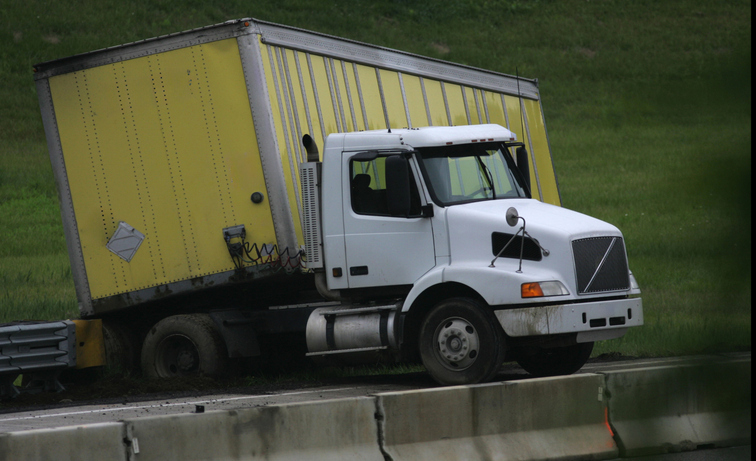
Rollover crashes are some of the most severe you can experience. They typically involve high speeds, large vehicles like trucks or SUVs, or both of these factors. Because Florida is a no-fault state for traffic accidents, suffering minor injuries typically requires filing a claim against your personal injury protection insurance

But what if your injuries are severe after a truck accident? Here’s what you need to know about the types of injuries you can experience in these kinds of crashes and what they could mean for your claim. 

Soft Tissue Injuries

Soft tissue injuries involve damage to the non-bony parts of your body, including ligaments, tendons, and muscles. You can suffer sprains and strains, including whiplash, that cause pain and stiffness. 

Whether you can file a personal injury claim depends on the severity of your injury. With more minor injuries like whiplash, your insurance could cover your related losses, so you might not be able to step outside of Florida’s no-fault laws. Knee ligament injuries, however, could require surgery, the cost of which might allow you to begin a personal injury claim. 

Broken Bones

Rollover accidents with vehicles like SUVs and trucks can cause significant impact to your bones, resulting in fractures of all types. In many cases, you would be able to step outside of Florida’s no-fault laws, especially if you require surgery. You may also need to take a substantial amount of time off to heal, which your insurance won’t be able to cover. 

Internal Damage

Internal damage involves injuries to your organs, blood vessels, and other structures that aren’t visible. Most of the time, people don’t immediately realize they’ve suffered this type of injury. 

For example, internal bleeding is a serious concern that could lead to life-threatening drops in blood pressure and shock. Generally, you’ll be able to sue for these types of injuries because of their severity. 

Spinal Cord Injuries

Because your body may be tossed in all directions in an accident with a truck or SUV, your spine can experience twisting motions, which can lead to spinal fractures and nerve damage. You can suffer from loss of sensation up to complete paralysis from spinal injuries. 

As a result, these are typically considered catastrophic losses for which you can begin a personal injury claim against the liable parties. 

Traumatic Brain Injuries

Traumatic brain injuries (TBIs) involve a force that causes damage to the brain. They can be blunt injuries, which occur if you hit your head and your brain shifts in the skull. It’s also possible to sustain penetrating brain injuries, which involve an object cutting into the skull and brain. 

One of the most serious TBIs you can suffer in a rollover crash with a truck or SUV is a diffuse axonal injury. This occurs if your brain twists, damaging nerve fibers, and it often results in widespread damage that can cause cognitive issues. 

If you sustain a minor traumatic brain injury, such as a concussion, you may only be able to file a claim against your insurance. However, you’ll likely be able to file a lawsuit for more serious injuries. 

Psychological Injuries

Being in a rollover accident is a traumatic experience. You may develop depression, anxiety, and even post-traumatic stress disorder afterward. All of these conditions lower your quality of life. Depending on the extent of that impact, it may be possible to file a personal injury claim to address your losses.

Protecting Your Future with Help from an Attorney

The severe injuries frequently associated with truck and SUV accidents in Florida can mean that a standard insurance claim will not be enough to fully address your losses. In these cases, you might need to file a lawsuit against the responsible party. The best way to find out what type of claim is right for you is to seek the guidance of an experienced car accident attorney.